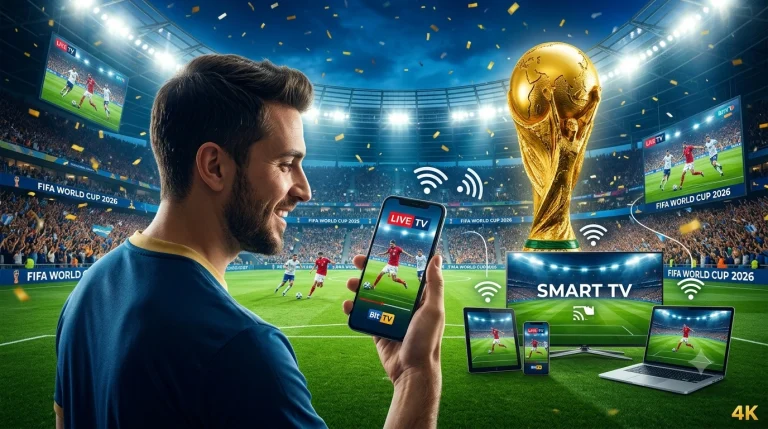
Why Viewers Are Moving Away from Traditional Cable TV
Introduction
For decades, cable television was the primary source of entertainment and information for households around the world. Families gathered around their televisions to watch news broadcasts, sports events, movies, and their favorite weekly shows. However, the media landscape has changed dramatically over the last decade. Today, more viewers are canceling their cable subscriptions and embracing digital alternatives such as streaming platforms, on-demand content services, and internet-based television.
This shift is not simply a trend—it represents a fundamental change in how people consume content. Viewers now prioritize convenience, flexibility, affordability, and personalized experiences, leading many to move away from traditional cable TV.
The Rise of On-Demand Viewing
One of the biggest reasons viewers are abandoning cable TV is the growing popularity of on-demand content.
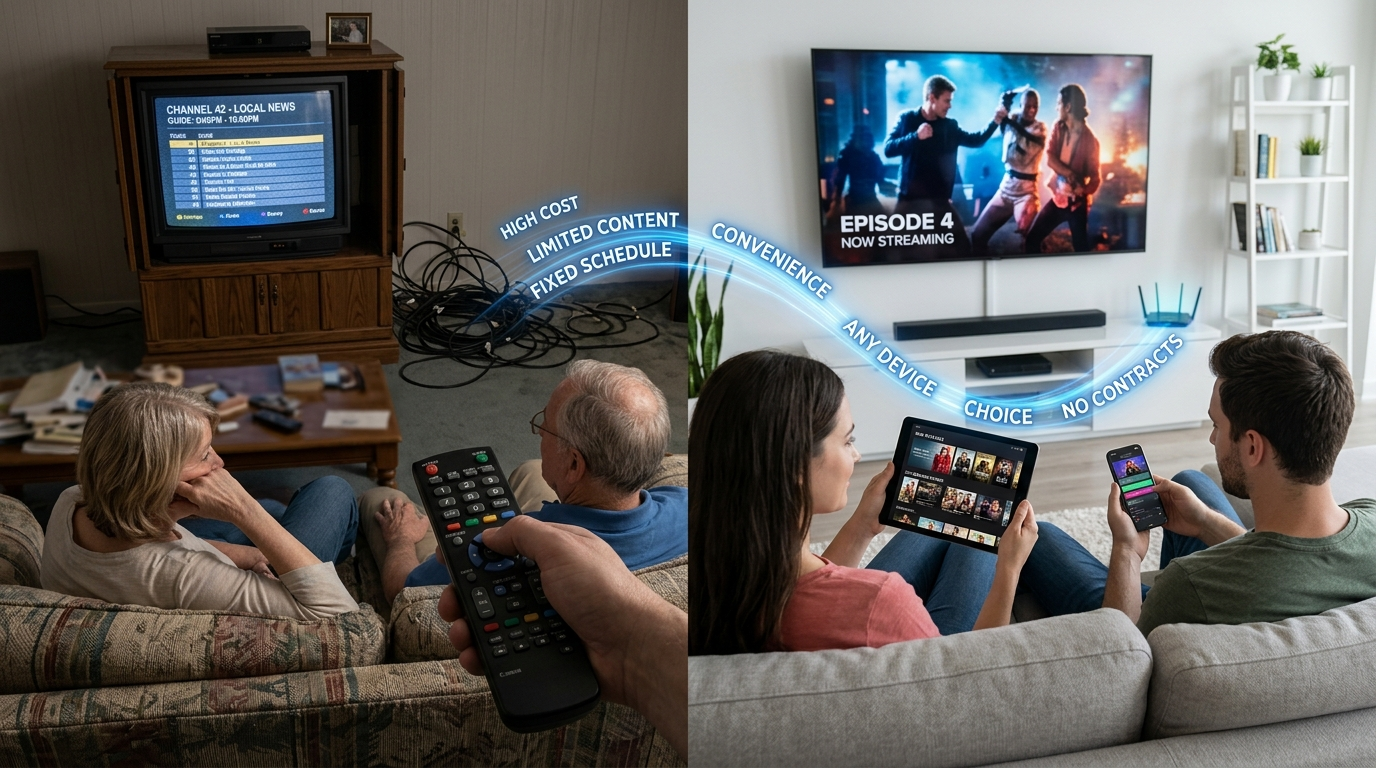
Traditional cable operates on fixed schedules. If viewers miss a program, they often have to wait for a rerun or record it in advance. Modern streaming services have eliminated this limitation by allowing users to watch content whenever they choose.
Today’s audiences prefer having complete control over their viewing experience. Whether it’s binge-watching an entire season of a show or watching a movie during a lunch break, on-demand platforms offer flexibility that cable TV struggles to match.
Benefits of On-Demand Content
- Watch anytime and anywhere
- Pause, rewind, and resume across devices
- No need to follow broadcast schedules
- Access to entire libraries of content instantly
As lifestyles become busier, convenience has become a major factor in entertainment choices.
Cost Is a Major Concern
Another significant reason for the decline of cable TV is pricing.
Cable packages often require customers to pay for hundreds of channels, even though most viewers regularly watch only a small percentage of them. Additional fees for premium channels, equipment rentals, installation, and contracts can further increase monthly costs.
In contrast, many streaming services offer affordable subscription plans that allow users to pay only for the content they want.
Comparing Costs
Traditional cable subscribers may face:
- Long-term contracts
- Equipment rental fees
- Installation charges
- Premium channel add-ons
Streaming users typically enjoy:
- Flexible monthly subscriptions
- No hardware rental requirements
- No lengthy contracts
- Easy cancellation options
For budget-conscious consumers, streaming often provides better value for money.
Greater Content Variety
Modern viewers have access to more content than ever before.
Cable TV generally limits viewers to channels included in their subscription package. Streaming platforms, however, offer extensive libraries containing thousands of movies, documentaries, TV shows, educational programs, and exclusive originals.
Many platforms also cater to niche interests, allowing viewers to find specialized content that traditional broadcasters may not provide.